


Zombie Strike: Shoot Fire
4.654.00 Reviews
App Specs
- Version
- 1.2.0
- Updated On
- License
- Free
- Downloads
- 500,000+
- Developer
- FIRE GAME
- Categories
- Adventure
- Platform
- Android
Screenshots
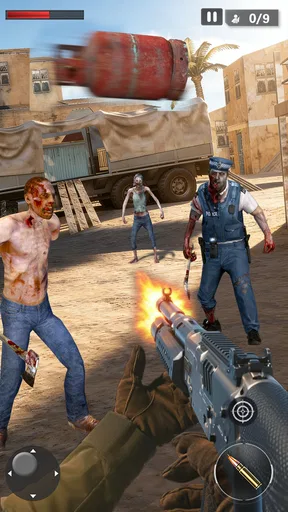
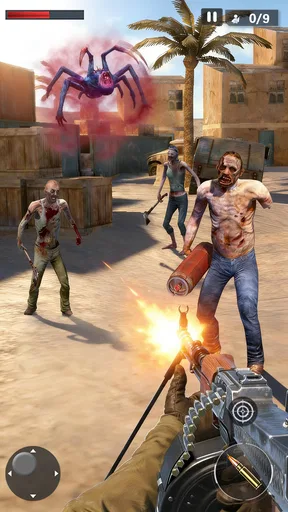
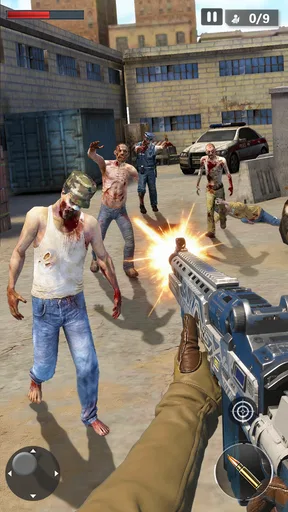
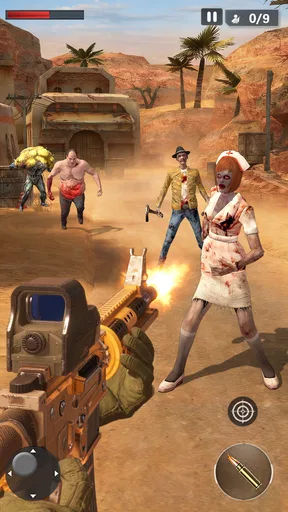
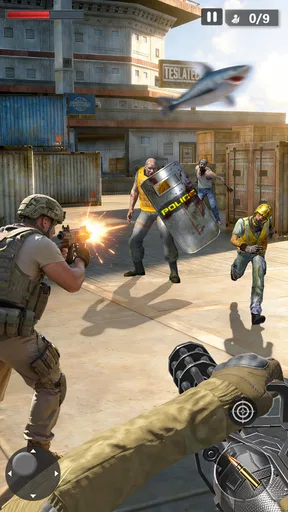
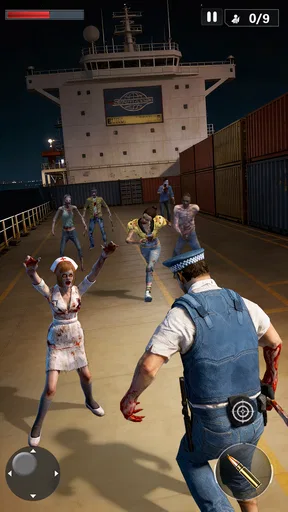
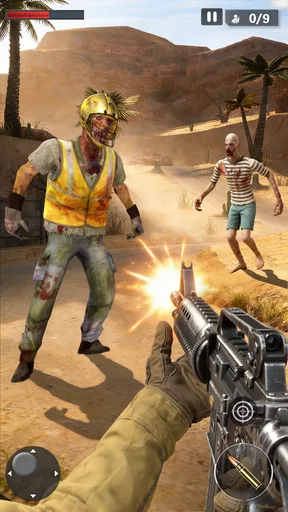
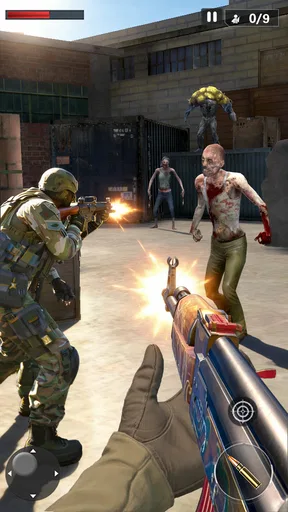
 Analysis by AppCompare
Zombie Strike: Shoot Fire immediately presents itself as an adventure game built around a simple survival fantasy: the world has collapsed, the threat is constant, and I am pushed into the role of someone who has to keep the remaining line from breaking. That premise is familiar, but the appeal here comes from how directly the game communicates it. I do not need a long explanation to understand the mood. The setting points toward danger, urgency, and a fight for control.
My first impression was that this is best approached as a focused zombie shooter rather than a broad role-playing experience. It is not trying to bury the player under a complicated fictional universe before the action begins. The store summary frames the player as humanity’s last defense, and the short description reduces the idea to two words: Zombie Strike. That clarity matters because it tells me what kind of session to expect. I can open it when I want a tense burst of undead action, not necessarily when I am looking for a slow, dialogue-heavy adventure.
FIRE GAME is the developer behind the title, and the game has built a visible audience with a 4.5 average from around 8.4 thousand ratings and over 500 thousand installs. Those figures suggest that the basic concept has reached a substantial group of players, although popularity alone does not guarantee that every part of the experience will suit everyone. The important question is whether the game’s presentation and pace match the kind of zombie action I personally want.
It is free to play, which makes trying it straightforward, but there are optional purchases ranging from $0.99 to $49.99 per item. I would keep that in mind before starting, especially if I am prone to spending when progress slows or when a difficult encounter creates pressure. The game is rated Mature 17+, so it is aimed at adults rather than younger players. That age rating also sets an expectation for a darker treatment of the zombie theme, even though the strongest reason to play remains the action itself.
How the game builds its mood through setting, sound, and pace
I find the game’s mood works best when I treat each session as a small exercise in attention rather than a race to clear threats. The setting establishes why danger matters, while sound and pace can help me notice when to focus and when to reset. That makes the presentation more than decoration: it shapes how I approach each encounter and sets up a closer look at what the game does well.
A world that communicates danger without overexplaining
The setting works because it gives every encounter a clear emotional purpose. A zombie apocalypse is not just a backdrop here; it explains why the player is always preparing, reacting, and trying to hold ground. The idea of being humanity’s last line of defense naturally creates pressure. Even a straightforward objective can feel meaningful when the surrounding fiction says that failure is not an ordinary setback but another step toward collapse.
I like this kind of world language when it stays connected to play. The ruined-apocalypse mood has to support the act of aiming, surviving, and making quick choices. If the setting were only decorative, the game would feel like a generic shooter with zombies placed over it. Its strongest identity comes from the way the theme gives context to the constant danger. The player is not simply clearing targets for points; the fiction encourages me to treat each wave or confrontation as a test of whether the last safe space can be maintained.
Worth Reading Before You Choose

EA SPORTS FC Mobile 26 Is a Bigger Football Game, but It Takes Time

Flipboard Shows What News Apps Must Do Beyond the Feed

Switching to Android Auto Means Rethinking Your Driving Routine

Google Calendar Makes a Crowded Week Easier to Manage

Ludo King Makes the Most of the Minutes Between Plans

Baby Panda World Brings Quick Play to Modern Phones, but Its Game Library Feels Busy
That approach also makes the game easy to understand for newcomers. I do not need specialist knowledge of a large mythology to appreciate the premise. Someone who enjoys zombie films, survival stories, or action games can recognize the basic language immediately. This accessibility is a strength, particularly for short sessions when I want to start playing without studying a complicated backstory.
There is a trade-off, though. A familiar apocalypse setting can feel predictable if the game does not add enough variation through its encounters or presentation. The central idea is strong enough to establish mood, but it cannot carry every moment by itself. After the initial excitement, the quality of the experience depends on whether the action continues to feel purposeful rather than becoming a repeated routine of confronting the same kind of threat.
Art direction that keeps the threat readable
The visual direction needs to serve two jobs at once: it must make the apocalypse feel unpleasant and dangerous, while still allowing me to understand what is happening during a fast encounter. That balance is especially important in a shooter. Excessive visual noise may create a grim atmosphere, but it can also make targets, hazards, or attack timing harder to read. For me, the best moments are those in which the dark setting increases tension without turning every scene into confusion.
The game’s title and premise place fire and undead combat at the center of its identity. That gives the presentation a natural contrast to work with: hostile, decaying surroundings against the bright impact of weapons and explosions. Even without relying on elaborate storytelling, that contrast can make a simple confrontation feel visually deliberate. The player’s attention is pulled toward the immediate threat, while the surrounding world reinforces the idea that safety has disappeared.
This is also where pacing and art direction meet. If every scene is equally intense, the visual language loses some of its force. A threatening world becomes more effective when the game allows the player to notice a change in danger, a brief opening, or the aftermath of an encounter. I found that the atmosphere benefits from moments in which the environment feels like more than a target container. The setting should make me feel surrounded, not merely placed in front of a sequence of enemies.
Players who prefer bright, relaxed adventures may find the tone heavy. This is not the kind of game I would choose for a cheerful visual mood or a gentle exploration session. Its appeal depends on accepting a world built around danger and defensive urgency. If that sounds tiring rather than exciting, a colorful platform adventure or a less aggressive action game would probably be a better fit.
Sound as a guide for tension and rhythm
Sound is often what turns a zombie game from a collection of targets into a threatening place. The visual image tells me what is in front of me, but audio helps me feel how close the danger is and when the rhythm of an encounter is changing. In a game centered on shooting, weapon effects need enough presence to make each action feel intentional. At the same time, the surrounding soundscape should keep the apocalypse from feeling empty.
I pay attention to whether the audio supports concentration or competes with it. A strong sound design can make a short session feel more physical: attacks seem more immediate, successful hits carry weight, and pauses become meaningful rather than silent gaps. When the game maintains that balance, I find myself reacting to the flow of the encounter instead of simply tapping through it.
The sound also affects how long I can comfortably play. Constantly aggressive audio may fit the opening minutes but become exhausting during a longer run. I prefer to treat the game as a series of focused sessions, lowering the volume when I am playing in a shared space and taking breaks before the pressure becomes repetitive. That is not a criticism unique to this title; it is a practical consideration for any game that uses danger and noise as its main emotional tools.
For an everyday example, I can imagine playing during a short evening break after finishing other tasks. I would rather complete a compact action session than commit to a long narrative chapter. In that situation, the sound and pacing help me switch into a defensive mindset quickly. The limitation is that the same intensity may not work when I want something calming before sleep or when I need to keep my attention on another activity.
Pacing that favors immediate decisions
The game’s central rhythm is built around anticipation, response, and recovery. I watch for the threat, decide where to focus, act before the pressure grows, and then prepare for what follows. That structure is easy to understand, but it can still produce satisfying tension when the timing is handled well. The important detail is not simply how many enemies appear; it is whether the game gives me meaningful moments to choose between targets, conserve attention, and respond to changes in the situation.
This is where the title can appeal to players who enjoy direct action more than elaborate planning. I do not need to spend every session arranging a complicated strategy. The pleasure comes from staying alert and making the right response under pressure. However, players who want deep tactical systems, extensive exploration, or a large amount of character-driven storytelling may find the experience too narrow.
I also recommend paying attention to the point at which the rhythm begins to feel repetitive. Zombie games naturally rely on recurring enemy pressure, so variety must come from how encounters are staged and how the player’s decisions evolve. If I approach every situation with exactly the same response, the atmosphere loses some of its bite. The best way to keep the game engaging is to treat each confrontation as a problem of attention rather than merely a checklist of targets.
Where the mechanics match the presentation
The mechanical fit is strongest when the action reinforces the game’s survival mood. Shooting should feel like a necessary answer to an approaching threat, not an unrelated mini-game pasted onto an apocalypse. The title’s focus makes that relationship clear: the player’s main responsibility is to confront danger directly and keep the defensive line intact.
I find this kind of design most enjoyable when I play with a simple routine. First, I scan the situation instead of instantly focusing on the nearest target. Then I decide which threat seems most likely to disrupt the encounter. After that, I act decisively and use the brief lull to reassess rather than assuming the next moment will be identical. This habit is more useful than frantic tapping because it connects the game’s atmosphere to a practical way of playing.
A second useful approach is to separate progress from impulse spending. Because the game is free and includes in-app purchases, I would not buy anything during the first session simply to overcome an early obstacle. I would spend time learning the rhythm, deciding whether the core shooting feels satisfying, and checking whether the challenge is genuinely asking for better decisions or merely more resources. That distinction helps protect the free-to-play experience from becoming an automatic purchase loop.
A third tip is to play in a setting where the sound and visual cues are easy to notice. The game’s mood depends on those signals, and playing while distracted can make the action feel flatter and more frustrating than it really is. I would use headphones when appropriate, keep the screen free of glare, and avoid judging the game from a rushed session in which I am repeatedly interrupted. This is a small change, but it makes the relationship between atmosphere and mechanics easier to appreciate.
The current version is 1.2.0, and it requires Android 8.0 or later. That makes checking the device requirement an important step before downloading. On a compatible phone, I would still leave enough storage and battery for a comfortable session, particularly because action games are less enjoyable when performance or power becomes a concern. I would also remember that the title is available for iOS as well as Android, so the choice of device need not determine whether the game fits my habits.
Who will enjoy it, and who should choose something else
I would recommend this game to someone who wants an accessible zombie adventure with a clear defensive premise and an emphasis on immediate action. It suits players who enjoy tense encounters, dark settings, and the satisfaction of responding quickly to a growing threat. It is also a reasonable choice for a person who wants to try a free game before deciding whether the style deserves more time.
It is less suitable for anyone looking for a peaceful game, a richly branching story, or a slow exploration experience. Players who dislike mature horror themes should also look elsewhere because the age rating makes the intended tone clear. Likewise, if I want a competitive multiplayer environment, a deep management simulator, or a game whose main pleasure comes from collecting and decorating, this is not the direction I would choose.
Compared with a traditional story-driven zombie adventure, this game’s likely strength is immediacy. I can understand the goal quickly and focus on the pressure of the encounter. Compared with a large role-playing game, it offers a more concentrated fantasy rather than a broad world to inhabit. The compromise is depth: a focused shooter may be easier to start but may not provide the same long-form character development or exploration that a larger alternative can offer.
It also differs from casual puzzle games in an important way. A puzzle title may let me relax by thinking at my own pace, while this experience asks me to stay alert to the threat in front of me. That makes it better for a short burst of excitement than for quiet background play. If I am commuting, waiting for an appointment, or taking a brief break, that directness can be useful. If I am already mentally tired, the same pressure may feel like work rather than entertainment.
Practical expectations before starting
The free entry point is helpful, but I would approach the purchase system with a personal limit in mind. The available items range from small payments to much larger ones, so a player who wants to remain entirely free-to-play should decide that in advance. I prefer to treat purchases as optional convenience rather than as part of the basic admission price. If the game remains enjoyable without spending, that is a meaningful advantage; if progress starts feeling uncomfortable without payment, I would stop and reconsider rather than spend automatically.
The Mature 17+ rating is another practical consideration for shared devices and family accounts. I would not hand the game to a younger player simply because it is free to install. The intended audience is adult, and the zombie-apocalypse presentation is built around a darker form of action. That makes it a better fit for someone who already knows they are comfortable with mature undead themes.
I would also give the game a fair test across more than one session. The opening mood can be compelling because the premise is immediately understandable, but the long-term decision depends on whether the combat rhythm continues to hold my attention. A useful test is to play once when I want intensity and once when I am tired. If the first session feels exciting but the second feels needlessly repetitive, I have learned that the game works best as an occasional action break rather than a daily mainstay.
My final view of the atmosphere
What stays with me is the coherence between the setting, the sound-led tension, and the defensive shooting loop. The apocalypse theme gives the action a reason to exist, while the pace keeps the player close to the immediate danger. The game does not need an elaborate explanation to establish its mood; it asks me to stand between humanity and the undead threat, then lets the pressure of that job carry the session.
The strongest reason to try it is the way its dark atmosphere supports direct play without demanding a long learning period. I can see the appeal for anyone who wants a straightforward adventure game with a mature zombie tone and a free starting point. The art direction and sound are most effective when they make each encounter feel like a defensive crisis rather than a routine target exercise.
My recommendation is measured rather than unconditional. I would install it if I wanted focused zombie action, understood the mature rating, and was comfortable treating in-app purchases carefully. I would skip it in favor of a calmer or more story-rich alternative if I needed exploration, deep character development, or a relaxing pace. For the right player, Zombie Strike: Shoot Fire creates a clear playable mood: the world feels unsafe, the rhythm keeps me alert, and every successful defense provides a small sense of relief.
Pros
- Fast-paced shooting keeps short play sessions entertaining.
- Simple controls make aiming and movement easy for most players.
- Wide selection of weapons adds variety to combat.
- Zombie waves create a satisfying challenge as difficulty increases.
- Bright visuals make enemies and objectives easy to recognize.
Cons
- Frequent ads may interrupt gameplay
- especially between missions.
- Progress can feel slow without spending money on upgrades.
- Enemy behavior becomes repetitive after extended play.
- Some weapons and features require considerable grinding to unlock.
- The game may consume noticeable battery during longer sessions.
FAQs for Zombie Strike: Shoot Fire
What is Zombie Strike: Shoot Fire about?
Zombie Strike: Shoot Fire is an action-focused zombie survival game built around shooting waves of undead enemies. You control a heavily armed survivor, clear dangerous areas, collect resources, and improve your equipment as the difficulty increases. The gameplay is designed for quick sessions, combining simple controls with progression systems that encourage you to return and upgrade your character regularly.
Is Zombie Strike: Shoot Fire free to download and play?
The game can generally be downloaded for free, allowing players to try its main shooting and survival mechanics without an initial purchase. However, free-to-play elements may include optional in-app purchases, advertisements, premium currency, or upgrade bundles. Before downloading, it is worth checking the current store listing and reviewing purchase settings, especially if children may access the device.
Does Zombie Strike: Shoot Fire require an internet connection?
Connection requirements can vary depending on the version and the feature you are using. Basic shooting stages may be playable without a constant connection, but advertisements, cloud-related features, rewards, updates, or other online services may require internet access. If you plan to play while traveling, test the game offline first because some functions may not work as expected without a stable connection.
What devices are compatible with Zombie Strike: Shoot Fire?
Zombie Strike: Shoot Fire is intended for mobile devices running a supported version of Android or iOS, depending on the edition available in your region. Compatibility and performance can differ between phones and tablets, particularly on older hardware. Before installing, check the official store page for the latest operating-system requirements, available storage, and any device-specific limitations.
Does the game contain ads or in-app purchases?
Players should expect that Zombie Strike: Shoot Fire may use advertising and optional in-app purchases as part of its free-to-play model. Ads can potentially appear between activities or in exchange for extra rewards, while purchases may speed up upgrades or provide additional resources. These features are not necessarily required to progress, but managing notifications and purchase restrictions can make the experience more comfortable.


